HVAC Resources
HVAC is one of the biggest energy consumers and most expensive assets in both commercial and residential buildings.
Understanding the basics of your equipment and what it will take to update it when it fails is fundamental knowledge for both building owners and renters.
Make an HVAC Plan:
HVAC equipment is one of the most expensive updates a business needs to make. Making a plan for replacement will save you money - even if you lease your space.
HVAC equipment lasts roughly 15-20 years - so when it nears the end of its life, it makes sense to plan ahead to replace these high-cost systems, even when you rent your space.
Making a plan to replace HVAC includes 4 simple steps: determining equipment age, determining your responsibility for equipment replacements, getting preliminary quotes (especially if equipment is more than 15 years old); and making a financial plan.
-
Confirm the age of existing equipment (this can include water heaters, refrigeration, or other major equipment, not just HVAC).
Resources to do this:
Equipment documentation
Your knowledge of the building (e.g., if it was built or remodeled within the last 15-20 years, your equipment likely dates from that period)
Your landlord and/or property manager
Occupants who have been in the building for a long time
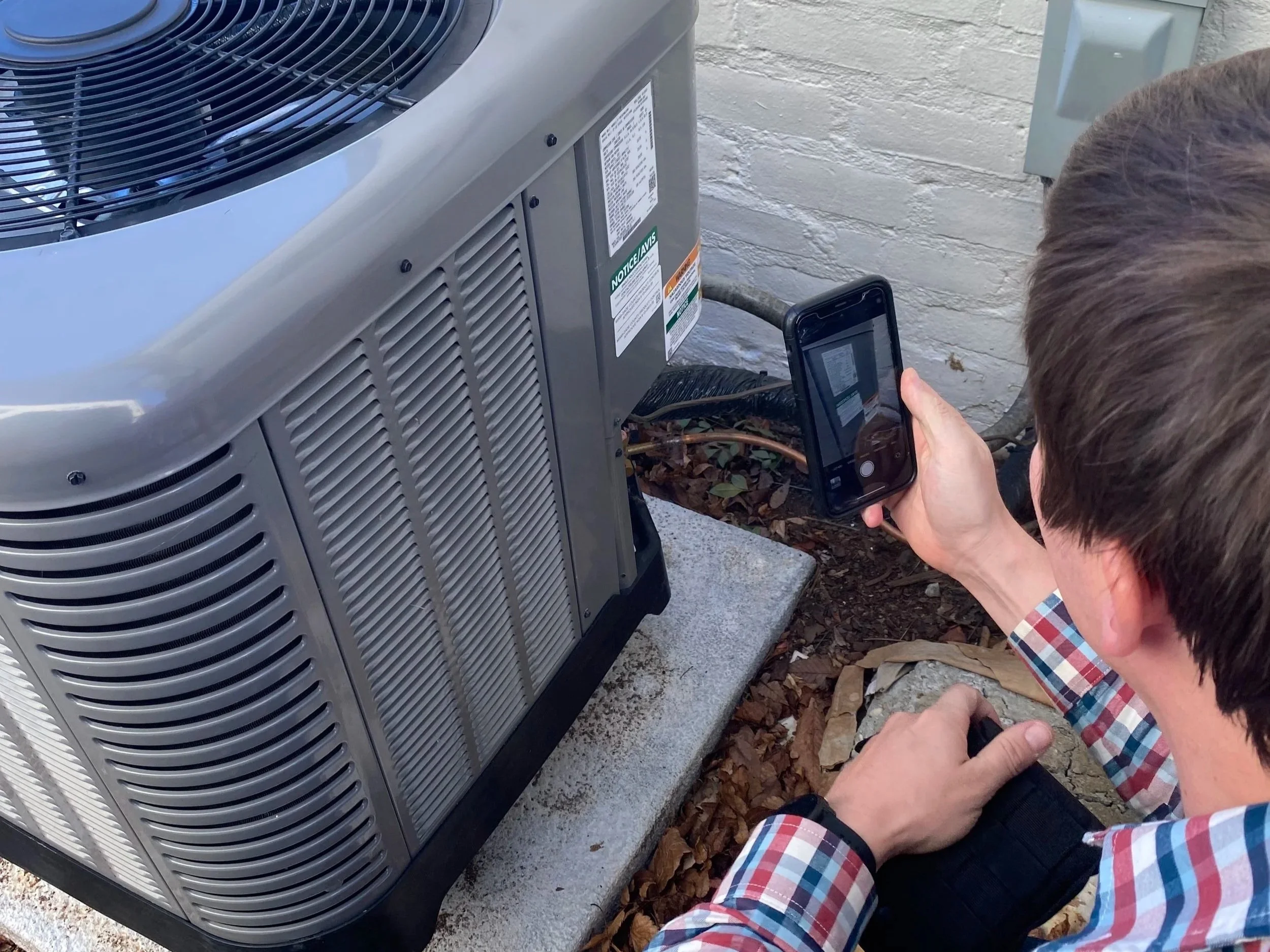
Equipment nameplates, if accessible: typically on the side, back, or interior (for refrigeration). Look for a manufactured date; if no date, send a picture of equipment and nameplate to biz (AT) theclimatecollaborative.org and for assistance.
If still not sure, send whatever info you can gather to the email above and we’ll help you figure it out.
-
If you lease the building, confirm what your lease says about major repairs or replacements. Do you have any responsibility for equipment replacements?
Regardless of the answer to this question, confirm what will be involved in addressing major equipment issues - especially if you’ve verified the equipment is near the end of life.
Even if you aren’t responsible for replacements, remember you will pay for inefficient equipment decisions in every monthly utility bill. So it makes sense to advocate for at least mid-efficiency equipment.
-
Use the information on equipment age to create a basic strategy.
Less than 10 years old: No need for current action. Note age and plan to revisit the issue when the equipment is ~15 years old. Conduct basic annual maintenance through an HVAC provider to keep equipment running as long as possible.
10-15 years old: If you rent, talk to your landlord about how they will approach equipment replacement when the time comes, and ask if they will consider equipment with mid-range efficiency (see link with specifications below) to help keep energy costs down. If you own, include the system in any future expenditure planning. Whether you rent or own, conduct annual maintenance as noted above.
15-20 years old: Initiate steps noted above in bullet 2 and seek preliminary quotes for equivalent and mid-range efficiency replacements. Ideally, request quotes during the next “shoulder” season (spring or fall, when demand for HVAC services is lower). See our basic efficiency guidelines and suggested language for contractors in the info sheets below.
20+ years old: Initiate steps noted in #2 and #3 above, but accelerate request for quotes to get info needed to make a replacement decision at any time. Based on the contractor’s assessment of equipment condition, consider replacing immediately to avoid catastrophic interruptions.
-
Follow guidelines above for budgeting purposes based on equipment age.
If you’re responsible for replacement costs (because of your lease or because you own the building), begin setting aside money in a capital fund. For many small-scale operations, even $50-100/month will help.
Even if you’re not responsible for replacement costs, it still makes sense to set aside money for equipment. Remember: the person most affected by an inefficient HVAC system is you. Mid-range efficiency systems can cost more up front, but the operating cost - which you pay for in your monthly utility bills - is far less. Save up money and offer to pay the cost difference between the option with the cheapest up-front cost and the option that will save you money on monthly bills: this can help convince your landlord to choose a more efficient option, which will save you money in the long run.
Familiarize yourself with existing utility rebates and tax incentives. A good place to start is the Energy Resource Hub, which is focused on Charlottesville but includes useful information for all of Virginia.
Explore low-cost loans through community development financial institutions (CDFIs; for example Bridging Virginia), grants (like these available in some areas of Richmond), cash-out mortgage refinancing, or other resources to offset the costs.
HVAC Info Sheets