
Bringing solar + battery storage to affordable housing
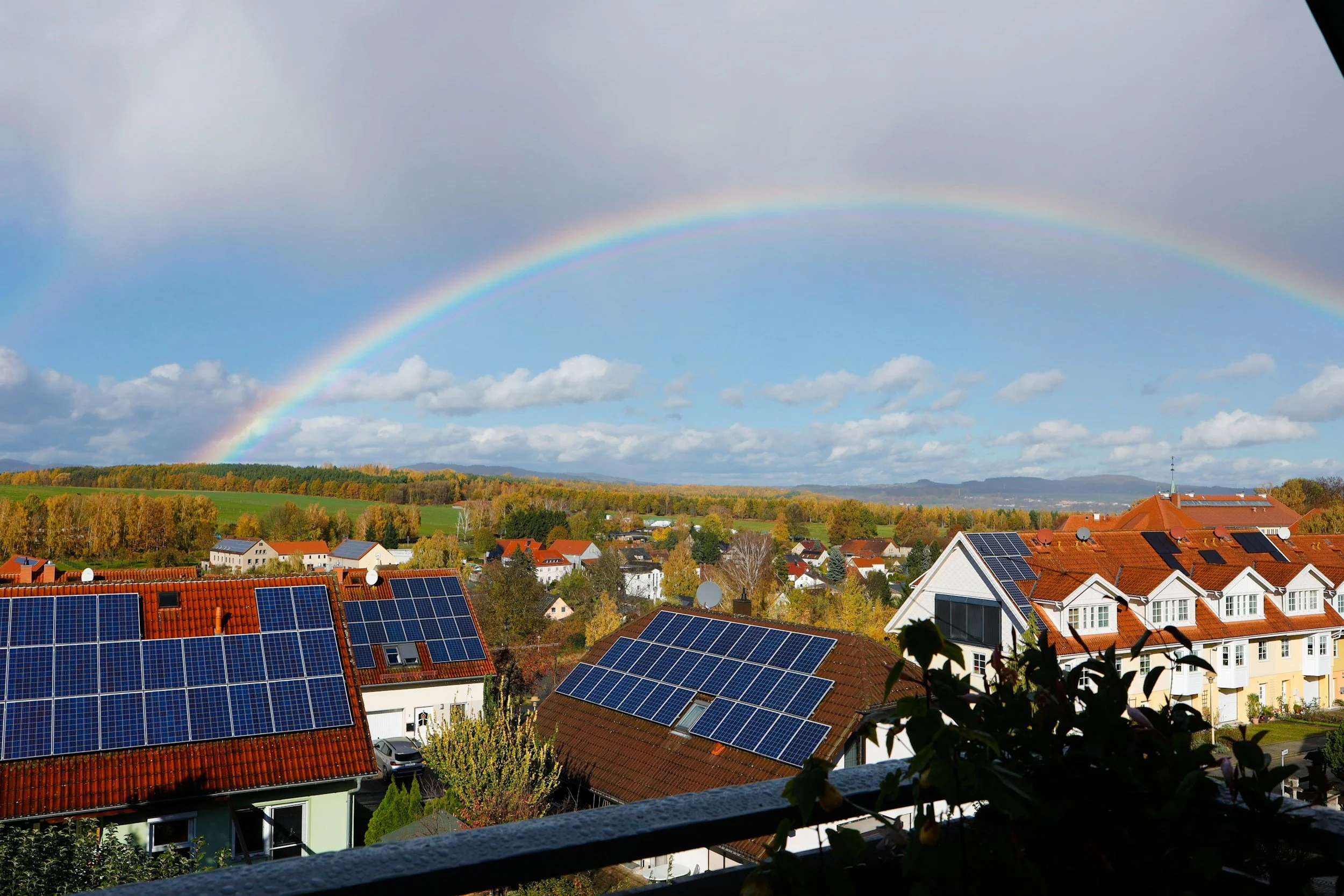
Low-income communities face some of the sharpest edges of the climate crisis. They carry higher energy burdens, often live in older and less efficient buildings, and bear the greatest risk when the power goes out. Yet they are the least likely to share in the benefits of clean energy. A new white paper from Piedmont Housing Alliance (PHA), created with Staengl Engineering and Shift Sustainability Consulting, sets out to impact that by providing a practical roadmap for bringing solar panels and battery storage to affordable housing.
Why this matters
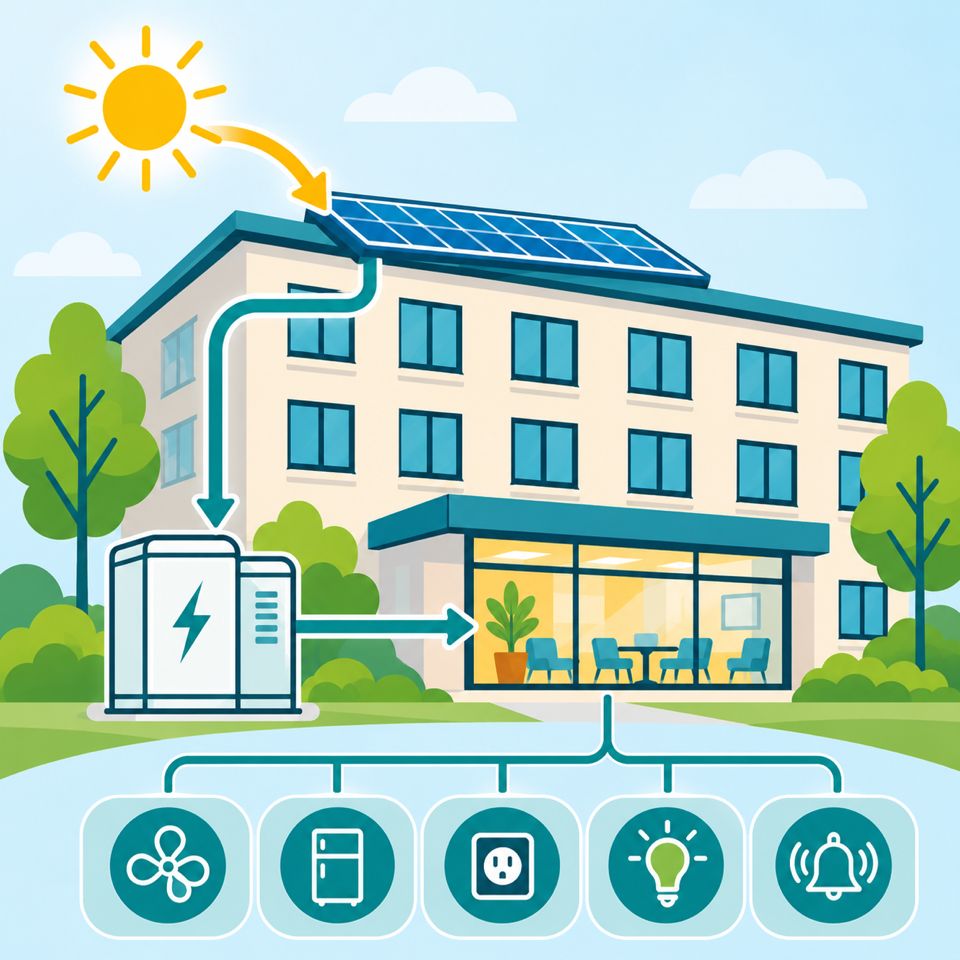
On-site solar paired with a battery energy storage system (BESS) lowers energy costs, cuts greenhouse gas emissions, and keeps essential power on when the grid fails, a benefit that is often undervalued. That last point grows more important every year. Weather events now drive the majority of major U.S. power outages, and in 2024 the average American experienced about 11 hours without power — nearly double the previous decade's average (Source: U.S. Energy Information Administration).
For many residents, a prolonged outage is far more than an inconvenience. Seniors, people with disabilities, and anyone who relies on powered medical equipment or refrigerated medication can be put at real risk. Solar + storage turns an affordable housing property into a more resilient place that can protect its residents when they are most vulnerable.
What Piedmont Housing Alliance has done
PHA is striving to making solar + BESS a standard feature of every project in its development pipeline and has already integrated it two of its properties (Kindlewood, and Hickory Hope Apartments) with additional plans for others. The residents of these properties can expect lower electricity bills, reduced emissions, and greater resilience.
At Kindlewood, for example, the battery keeps a large community room and the building's life-safety systems running during an outage. This resource provides a powered space where residents can keep food and medication cold, charge phones and medical devices, and find respite until power returns.
Why solar + storage is still rare — and how to change that
Despite these benefits, solar + BESS remains underused in affordable housing because it can be difficult to finance and build. PHA's white paper takes on the four barriers that most often stand in the way: the high up-front cost and limited financing pathways; the long-term operations and maintenance it requires; the challenge of fitting it into the development process; and the lack of a clear, replicable model for others to follow.
The paper offers a comprehensive primer on assembling a viable funding stack, valuing the full benefits of solar + BESS (including resilience), where and how it fits into the development process, design considerations for both the solar array and the battery system, and operations and maintenance guidelines. Alongside it, the team created a suite of practical, reusable resources:
Matrix of Responsibility — an overview of project team roles and a table outlining the major tasks across the project with the associated responsible party(ies).
Project Timeline — a map of major project tasks across the phases of an affordable housing development project.
Project Checklist — the various solar + BESS-related tasks that must be completed throughout the development process.
ROI Model — an Excel workbook that helps estimate the expected financial payback of integrating solar + BESS into an affordable housing project.
O&M Protocols — a checklist of what needs to be done to keep a solar + BESS system functioning optimally.
Explore the resources — and help scale this work
All of these resources, along with the full white paper, are free to use and share.
Whether you are a developer, a funder, a policymaker, or an advocate, you can help make resilient, clean energy a standard feature of affordable housing rather than a rare exception. Download the roadmap, put it to work on your next project, and share it with others who are building toward a more just and climate-resilient future.
This work was supported by the Community Impact Program under Virginia Housing's REACH Virginia (Resources Enabling Affordable Community Housing in Virginia).